

Research Interests & Bio
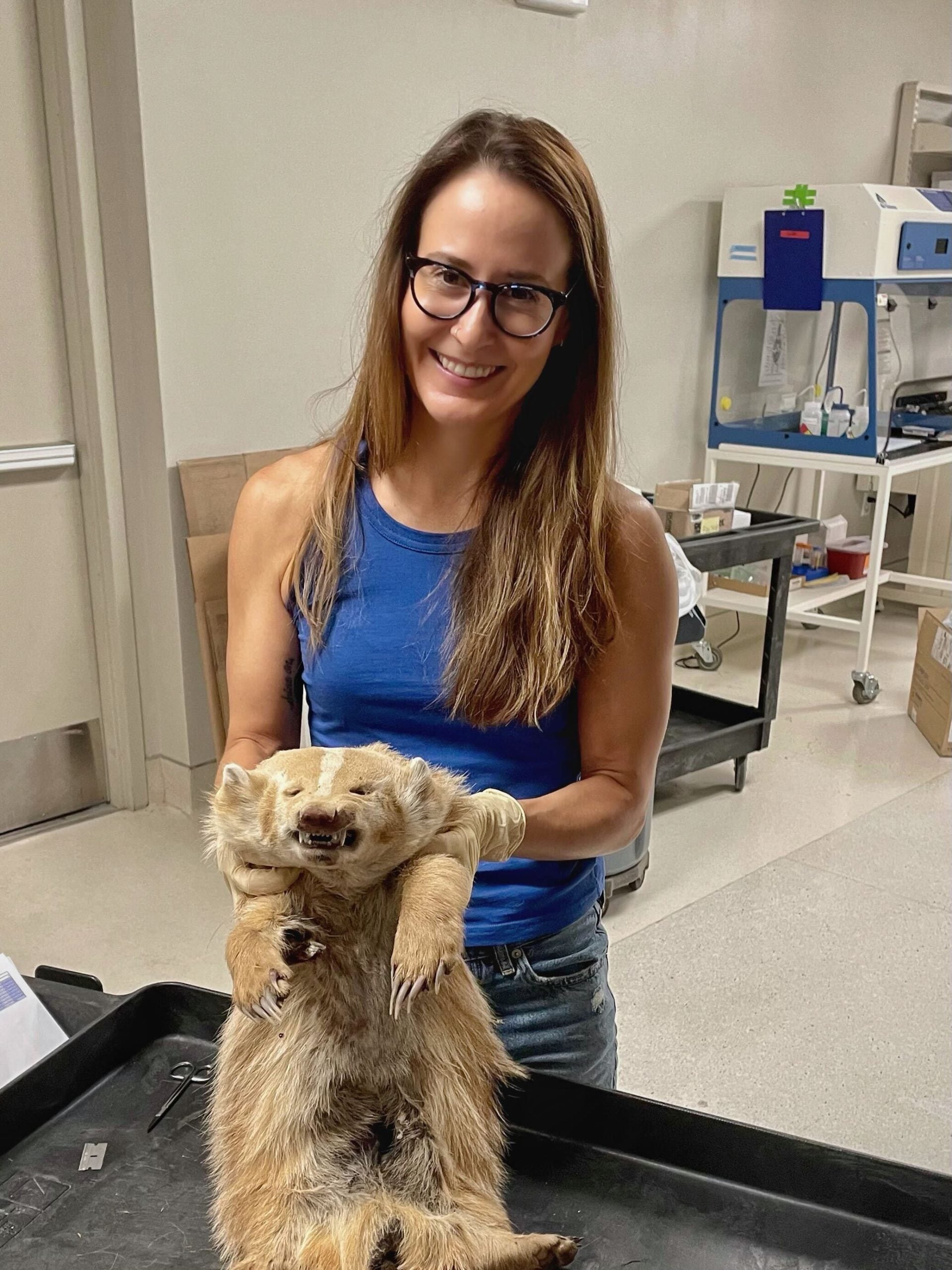
I am interested in how genetic data can reveal patterns in wildlife populations that are difficult or impossible to observe through traditional field methods. My work focuses on population and landscape genomics to understand how both natural and anthropogenic factors shape gene flow and connectivity across landscapes.I have worked with the California Department of Fish and Wildlife’s Wildlife Genetics Research Unit for several years and am co-advised by the program’s lead researcher, Dr. Mike Buchalski. There, I have contributed to genetic monitoring and research projects on mountain lions, bobcats, greater white-fronted geese, and black bears. My recent research on the re-invasion of nutria in California used population genomics to reconstruct invasion pathways, linking the current population to sources in Oregon and placing the invasion in a broader North American context.
In addition to my research, I served as a part-time lecturer at Sacramento State University after completing my BS and MS there, where I taught undergraduate courses in mammalogy and natural resource conservation and contributed to the implementation of undergraduate research curriculum into a cell and molecular biology lab course.
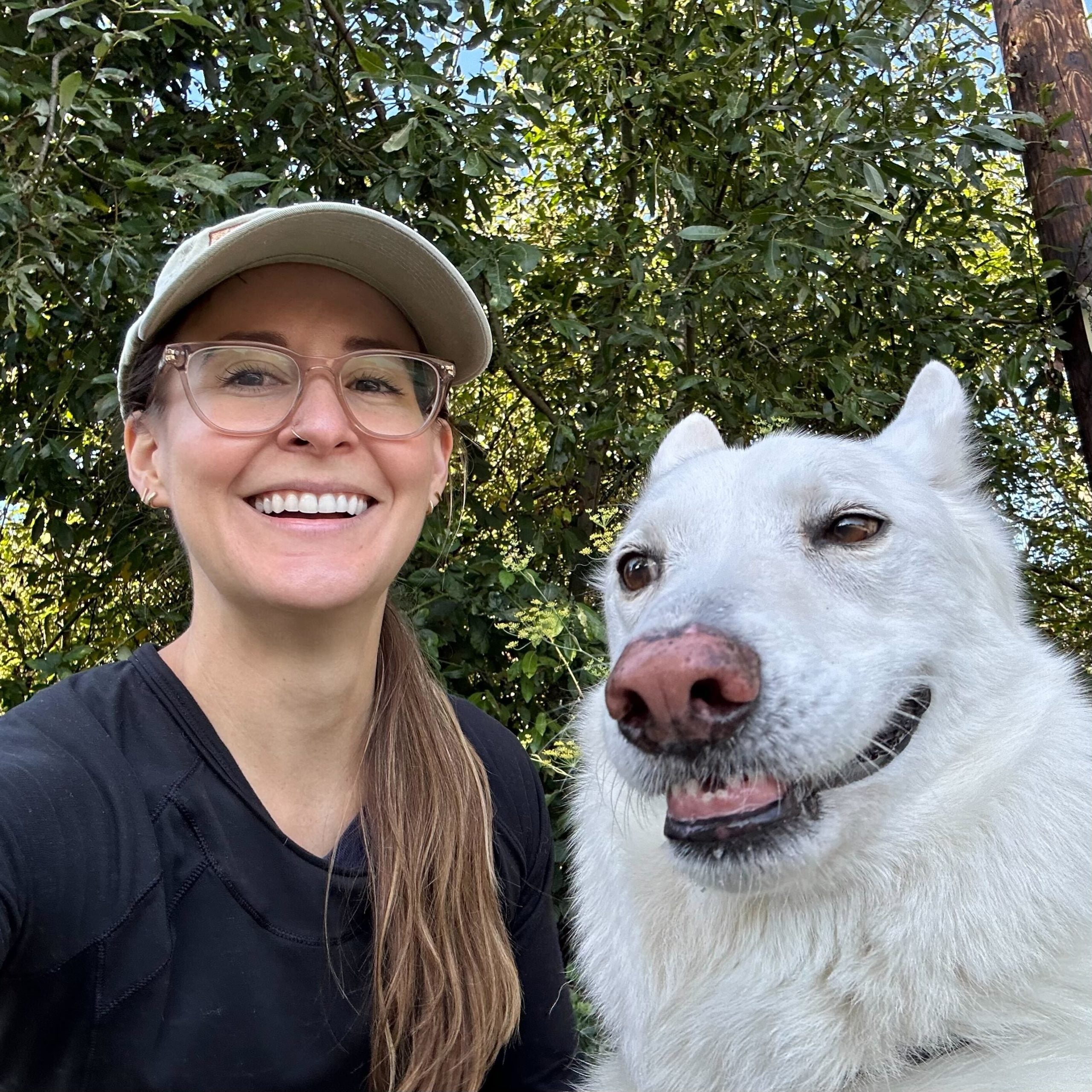
Current ResearchMy current research focuses on population and landscape genomics of the American badger (Taxidea taxus), a species that has been historically understudied due to its cryptic behavior and the difficulty of using traditional tracking methods. While my work is centered in California, where badgers occupy a wide range of ecosystems, I am also conducting range-wide analyses to better understand broader population structure.Using dense sampling across the Central Coast and Bay Area, I will also be investigating how landscape features, particularly urban development and highways influence connectivity and gene flow. This work aims to identify areas where populations may be isolated, leading to reduced genetic diversity and increased inbreeding risk. By estimating population structure, effective population size, and historic and contemporary bottlenecks, my research aims to fill critical data gaps to inform conservation and management of this California Species of Special Concern.